
Crossbow Sights Guide: Red Dot, Laser or Scope? How to Sight In Your Crossbow
When using a crossbow, a reliable sight does more than improve accuracy—it can also help make aiming faster, more consistent, and more confident.
There are several types of crossbow sights available, including red dot sights, laser sights, and optical scopes, each offering different features and suited to different shooting situations.
Ready to upgrade your aiming equipment but don't know which one to choose? This article breaks down the features, differences, as well as the basics of sight zeroing, helping you lock in the perfect setup for your crossbow.

MENU
Types of Crossbow Sights: Red Dot, Laser, Scope & Iron Sights
| Sight Type | Ideal Scenario | Price Range | Pros | Cons |
|---|---|---|---|---|
| Red Dot Sight | Close to Mid-Range | ★★ | Fast target acquisition, easy to operate | Requires batteries |
| Laser Sight | Close Range | ★★ | Projects aiming point directly, beginner-friendly | Low visibility in bright environments |
| Optical Scope | Mid to Long Range | ★★★ | Magnified field of view, high precision | Bulkier, requires zeroing |
| Iron Sights | Basic Aiming Needs | ★ | No batteries required, highly durable | Requires more practice, slower aiming |
★ = budget-friendly, ★★★ = higher cost
Red Dot Sight
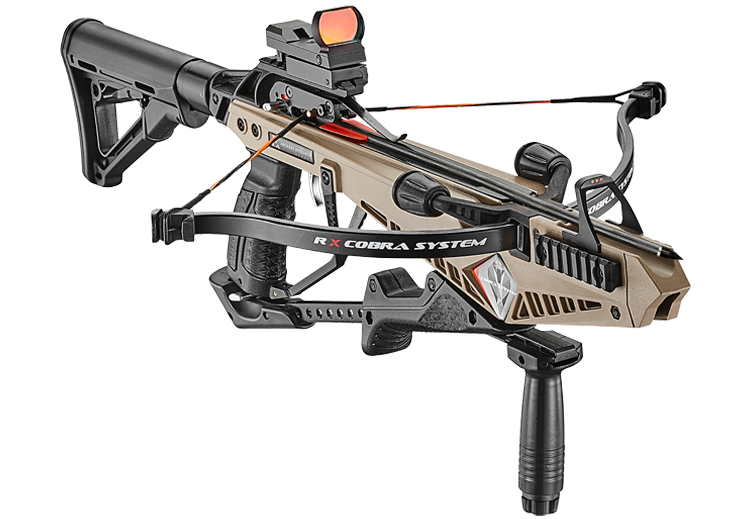
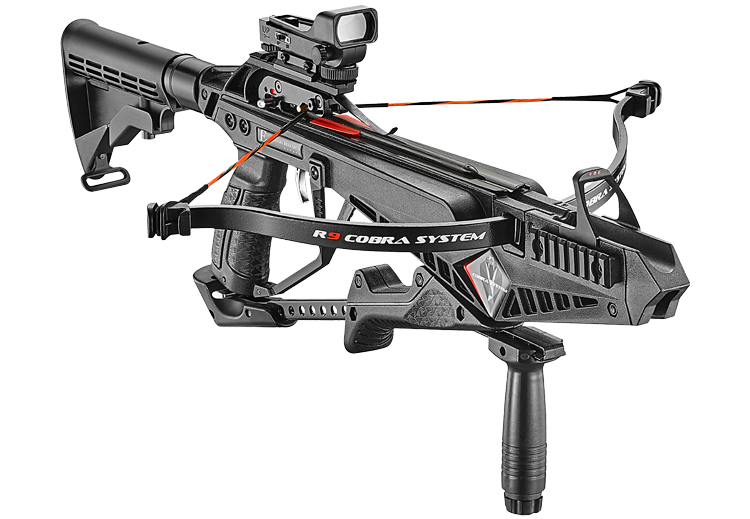
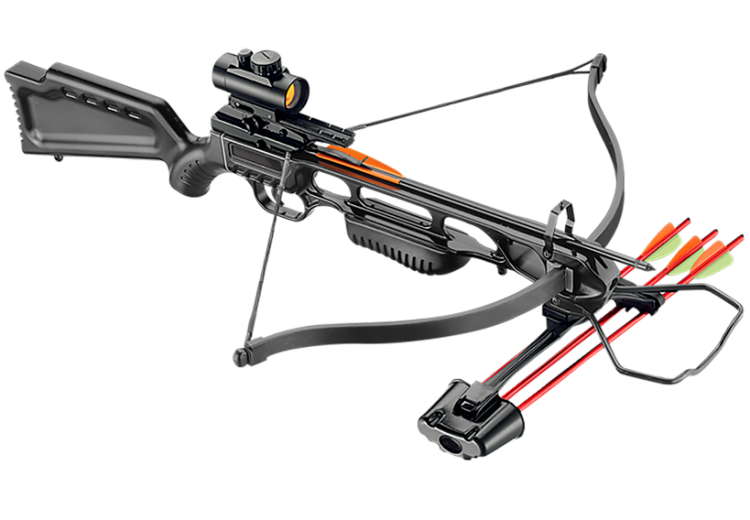
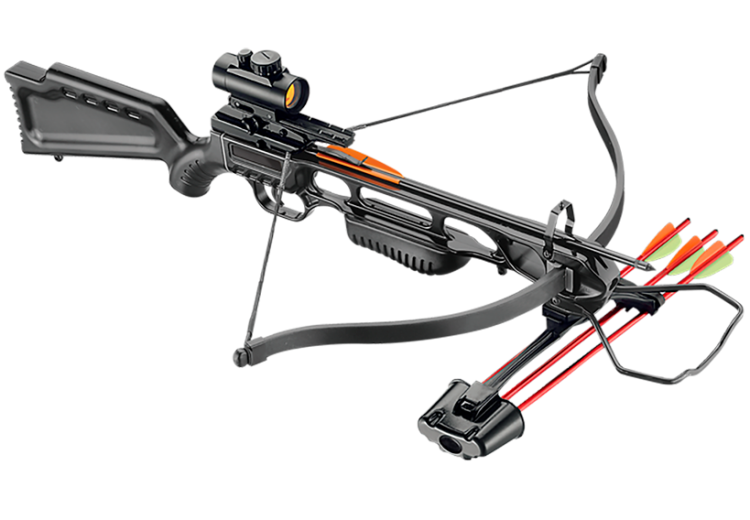
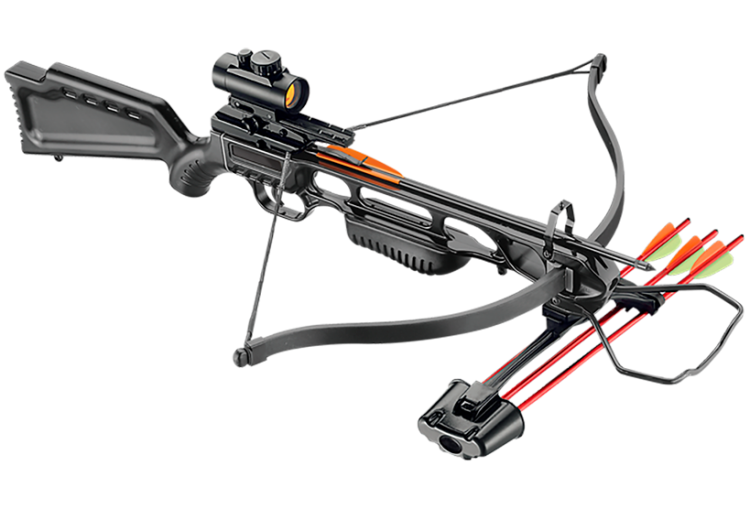
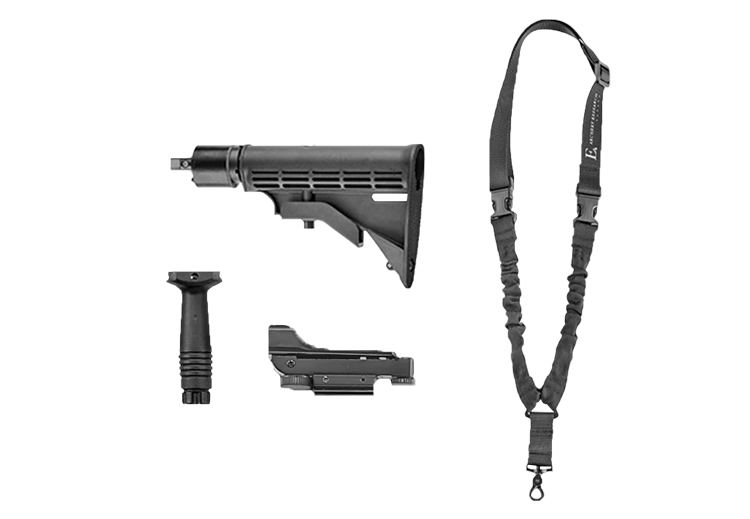
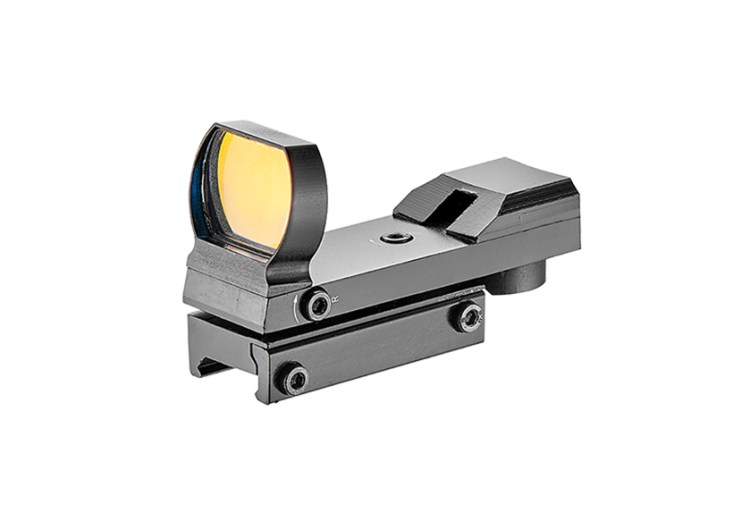
A red dot sight projects an illuminated red dot onto the lens. To aim, simply place the dot over your target, making it one of the most intuitive sighting systems available and a popular choice for many first-time crossbow users.
Key Features:
- Fast target acquisition
- Allows you to keep both eyes open while aiming
- Easy to learn and operate
- Well suited for beginner shooting practice
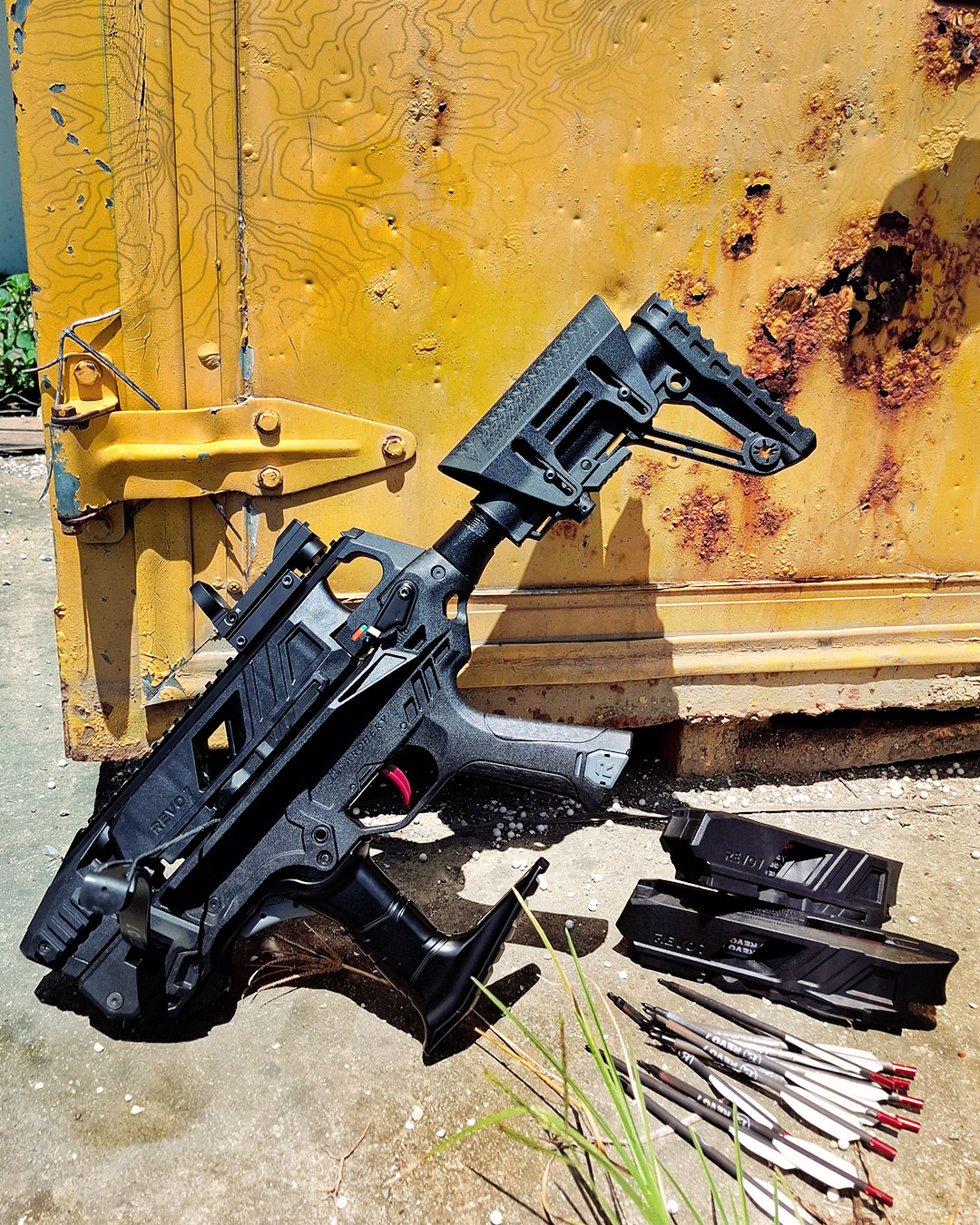
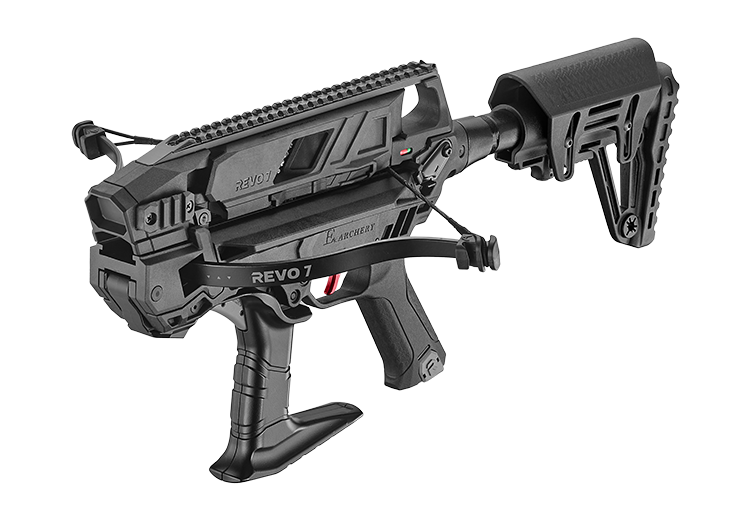
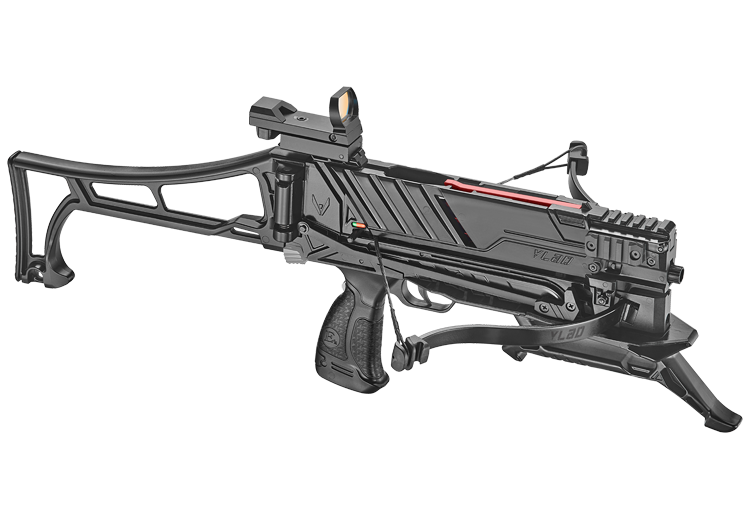
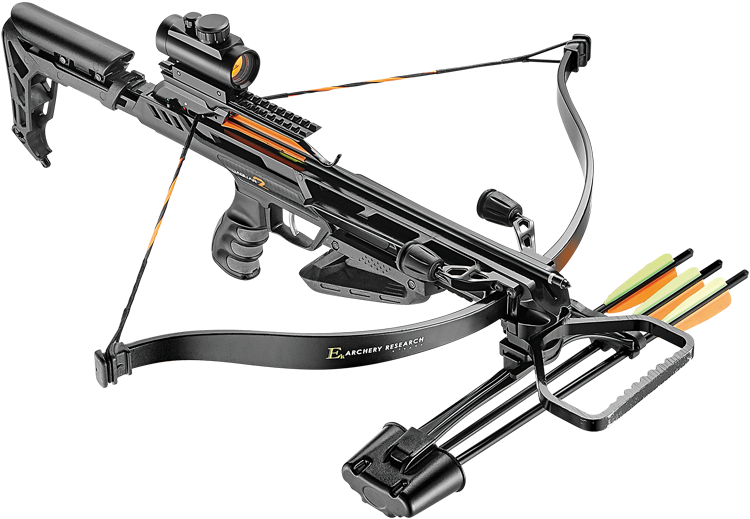
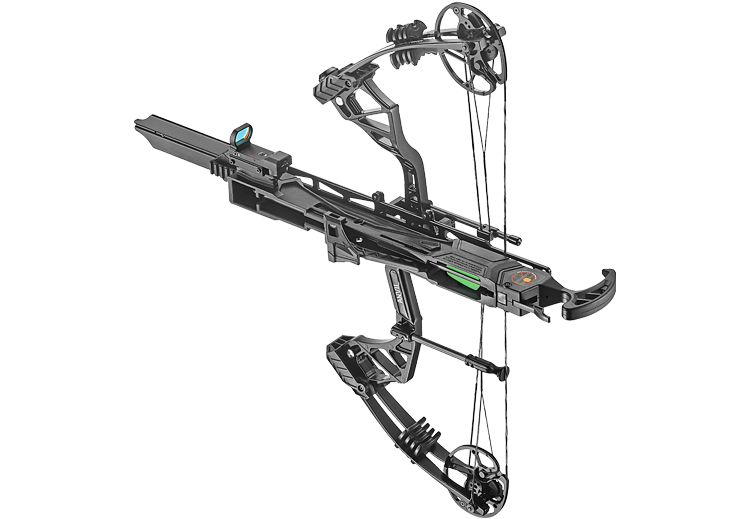
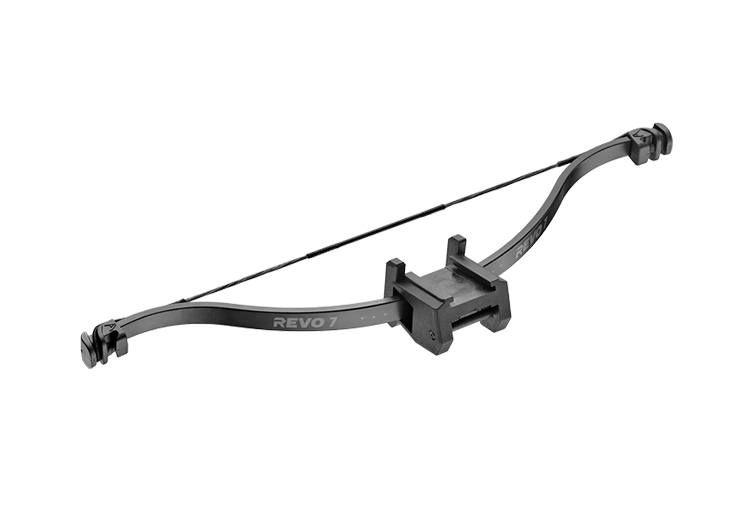
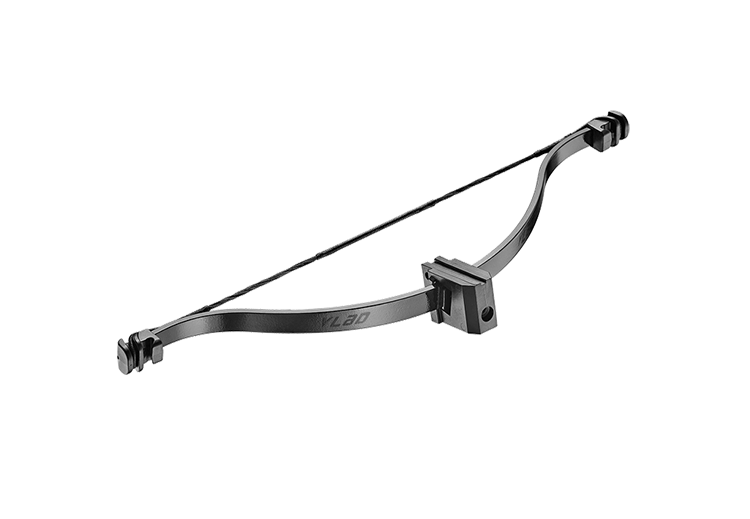
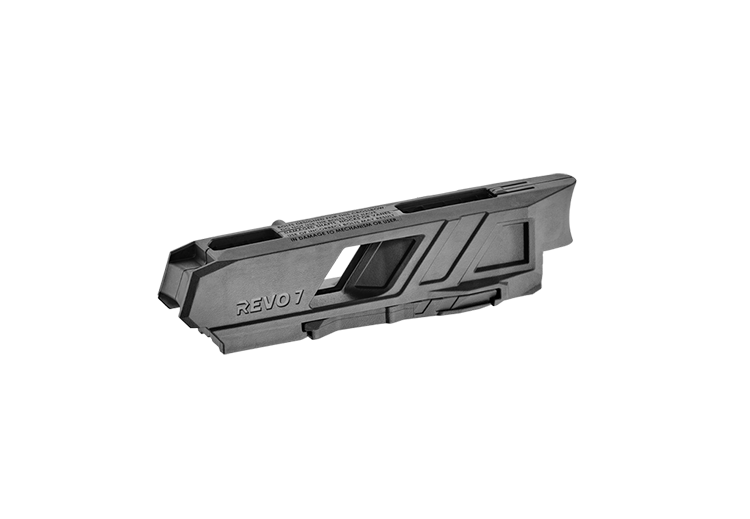
For example, the EK Archery VLAD and REVO 7 come standard with red dot sights, making them ideal for close-range practice. Their simple and intuitive operation also makes this setup especially popular among new crossbow shooters.
Laser Sight
A crossbow laser sight projects a visible laser directly onto the target, allowing shooters to quickly confirm their aiming point. This makes it especially useful for close-range shooting.
Key Features:
- Quick target alignment
- Easy to install
- Helps beginners understand aiming direction more intuitively
However, laser visibility can be reduced in bright outdoor conditions, making its effectiveness more dependent on the surrounding environment.
Optical Scope
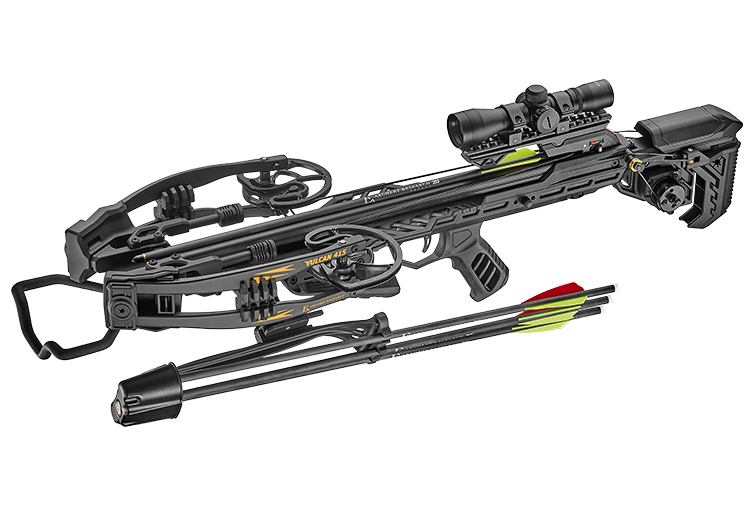
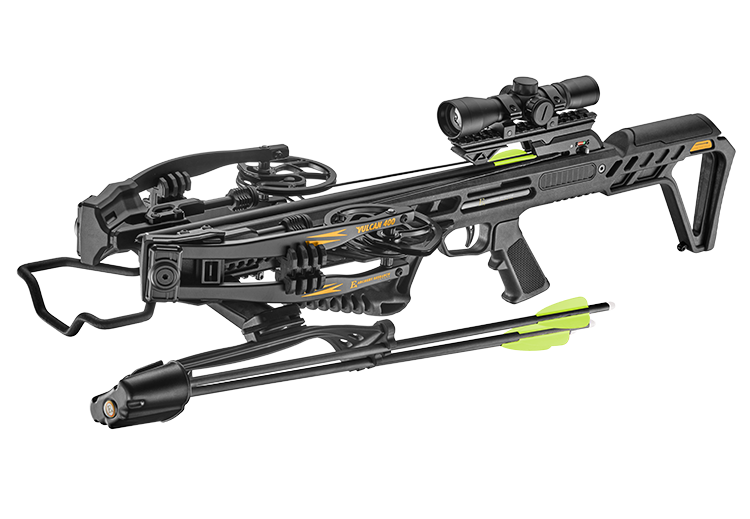
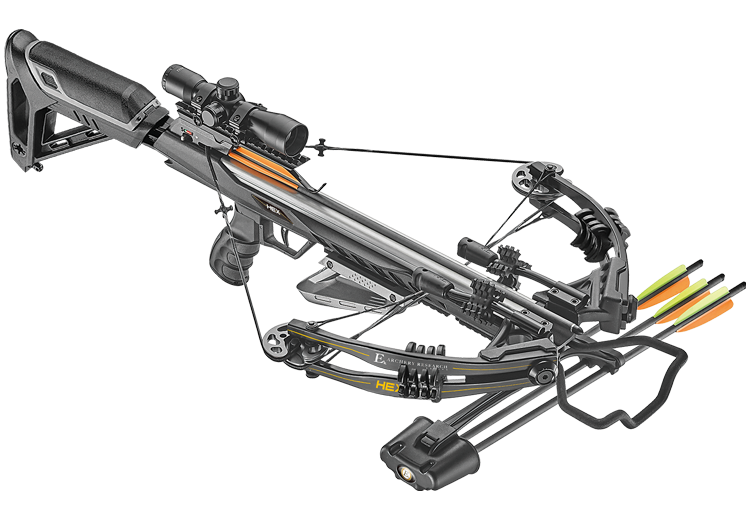
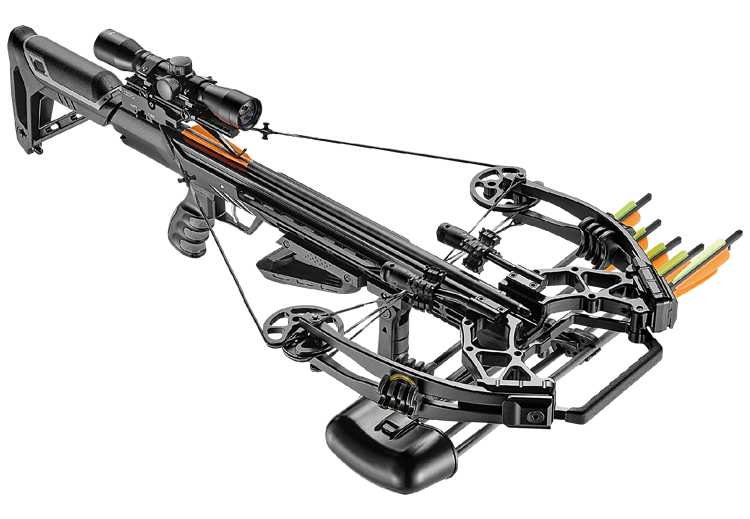
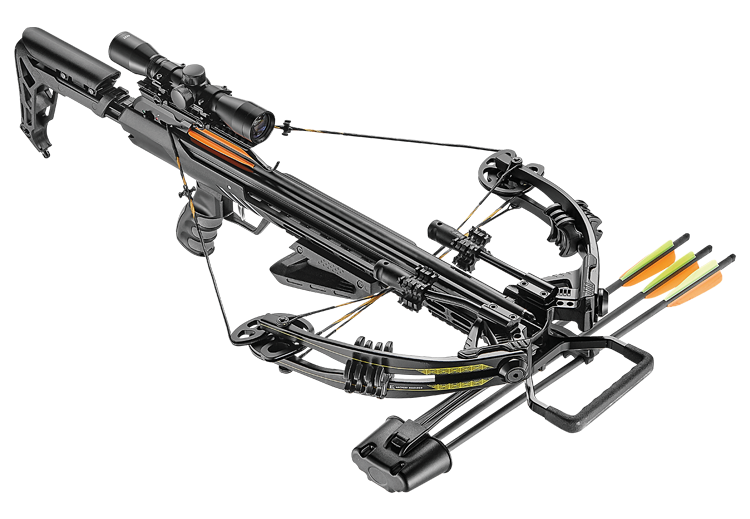
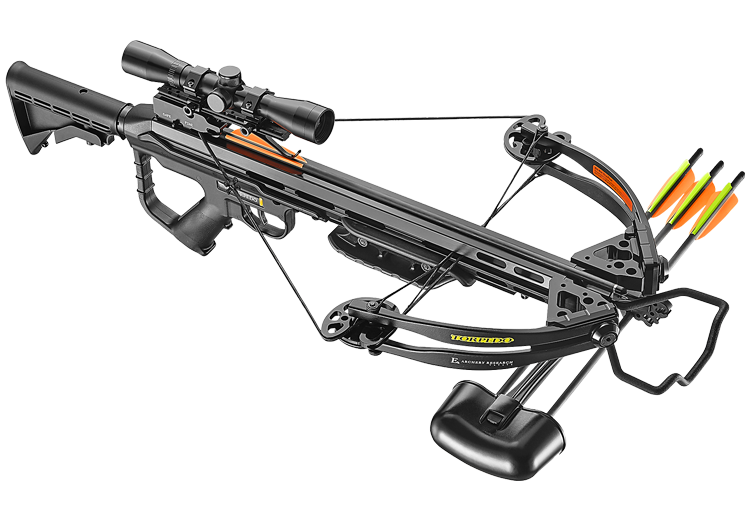
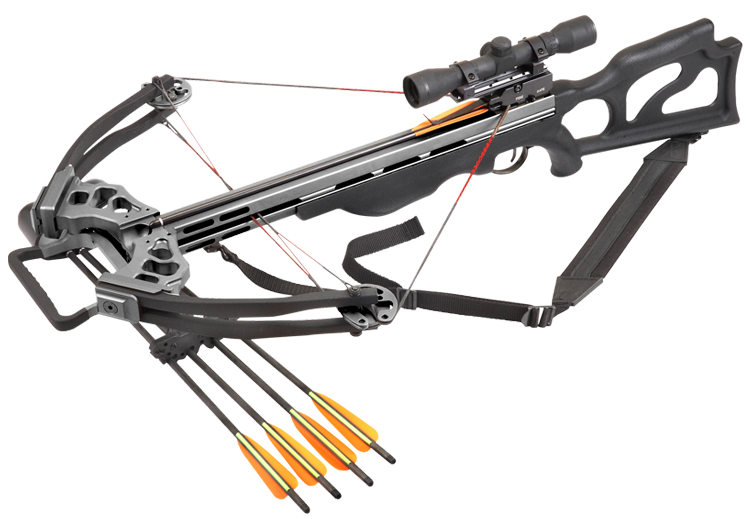
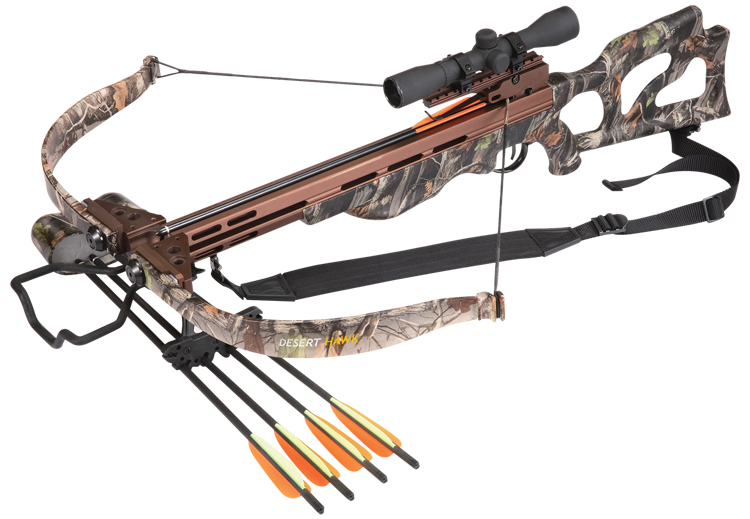
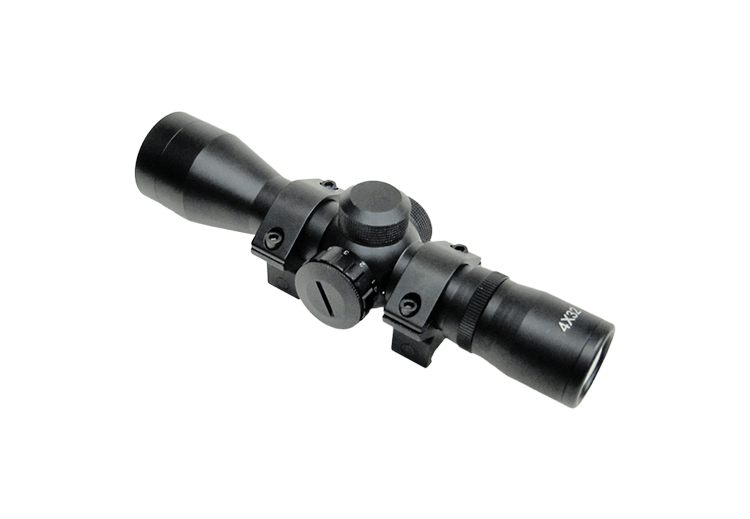
An optical scope provides magnification, giving shooters a clearer view of distant targets and improving aiming precision at longer ranges. Some models also feature multiple aiming points or reticle markings designed for use at different distances.
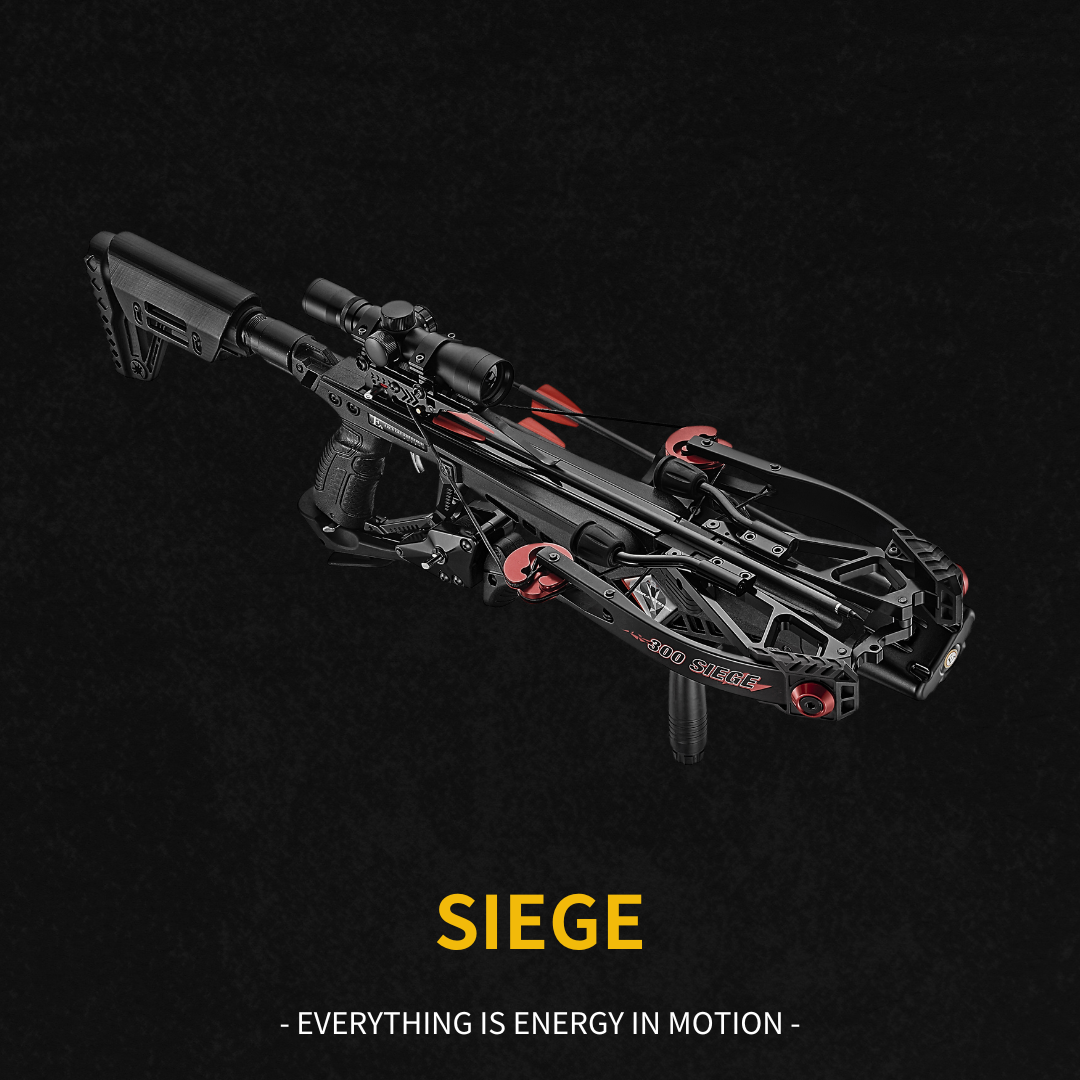
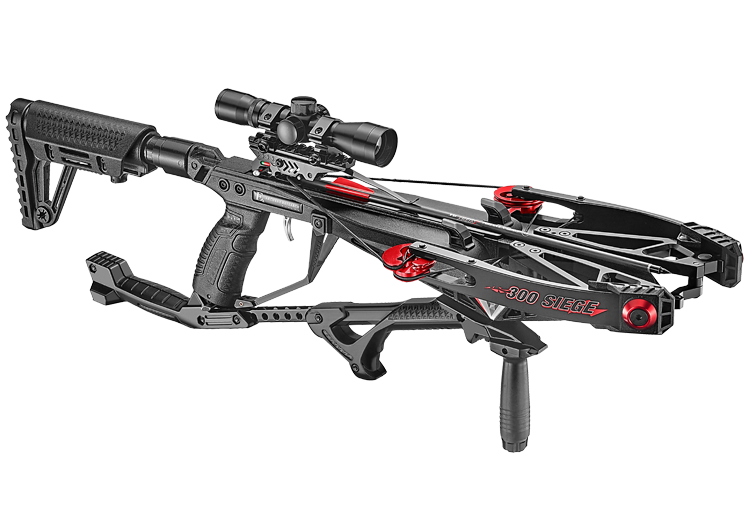
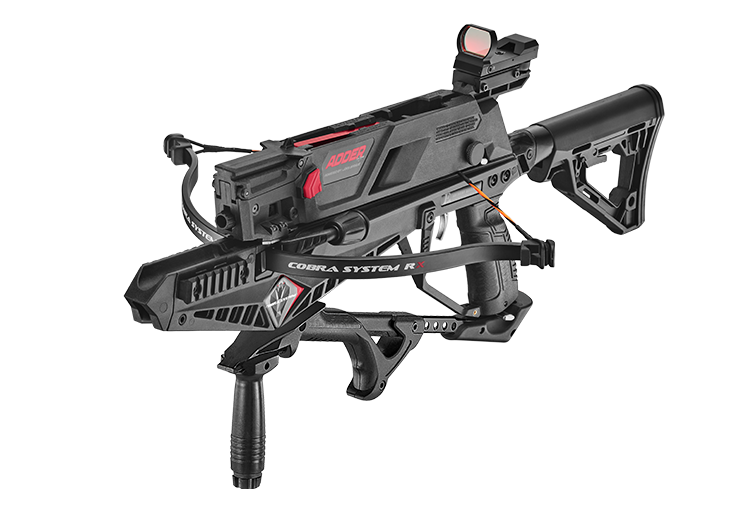
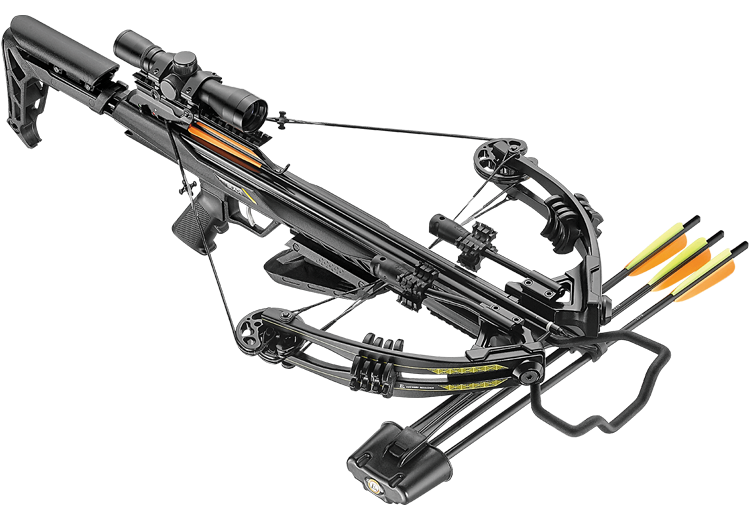
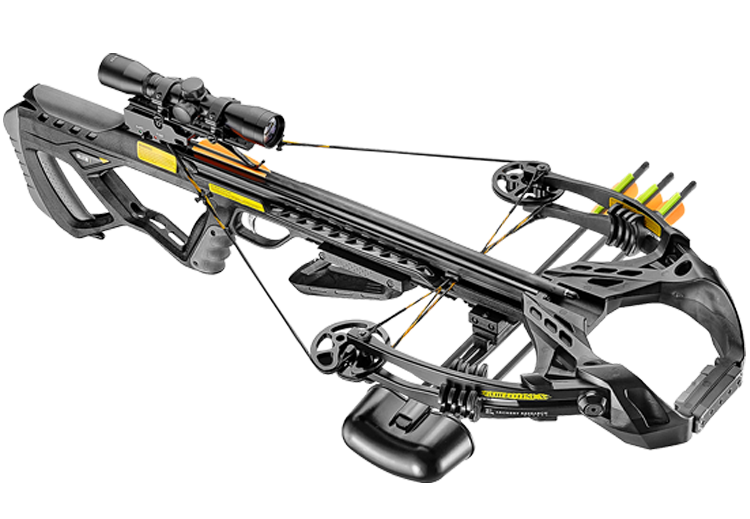
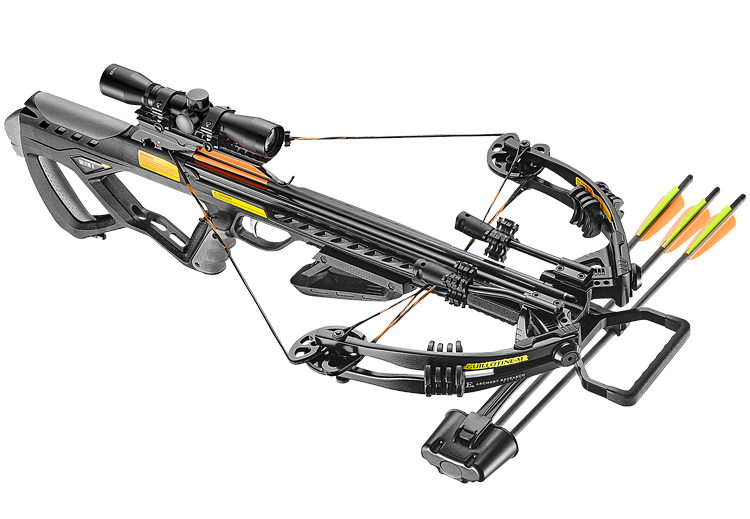
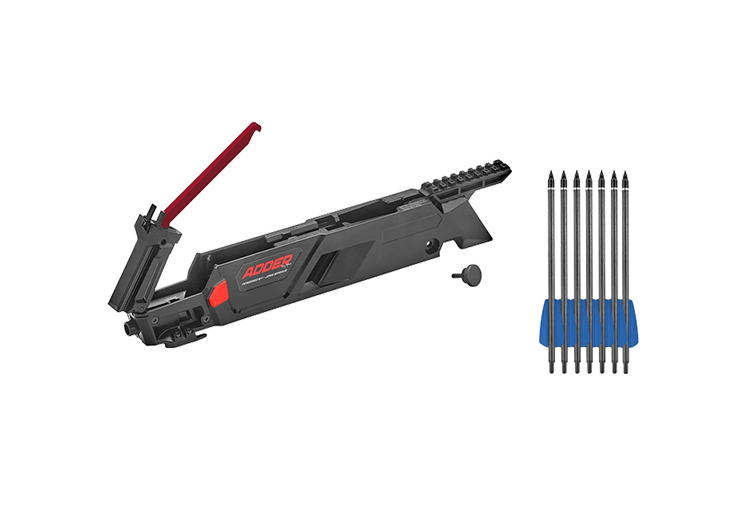
For medium- to long-range shooting, or when using higher-draw-weight crossbows, we generally recommend an optical scope. Examples from EK Archery include the 120-lb REVO 7, the 150-lb SIEGE 300, and the 180-lb RX ADDER.
Iron Sights
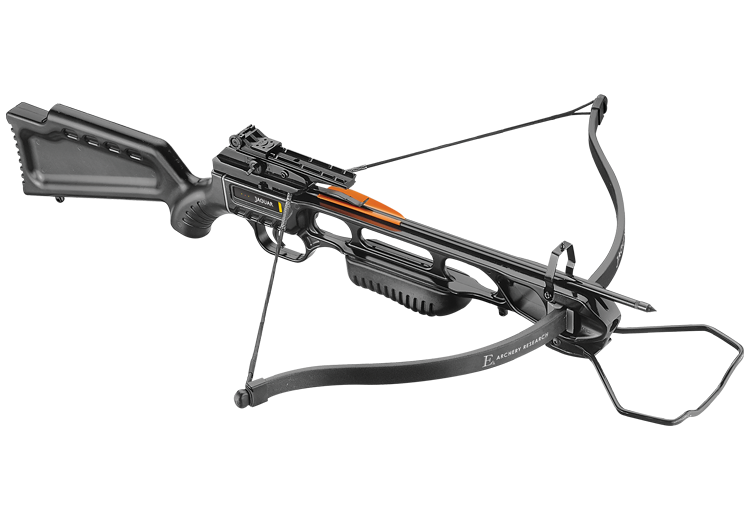
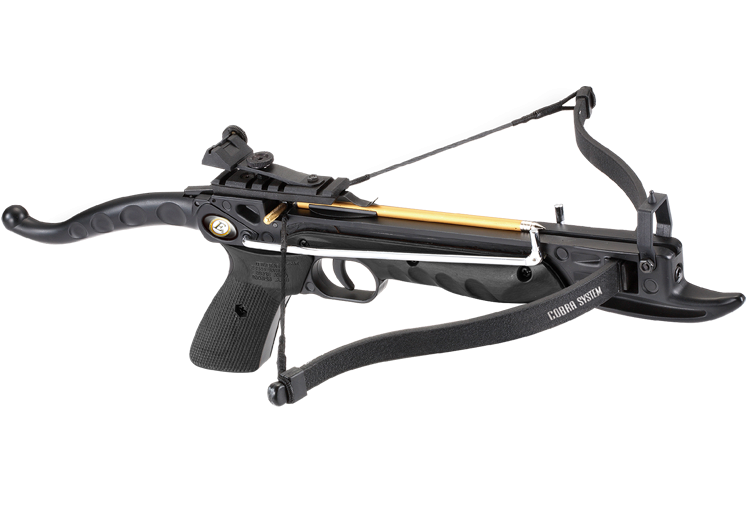
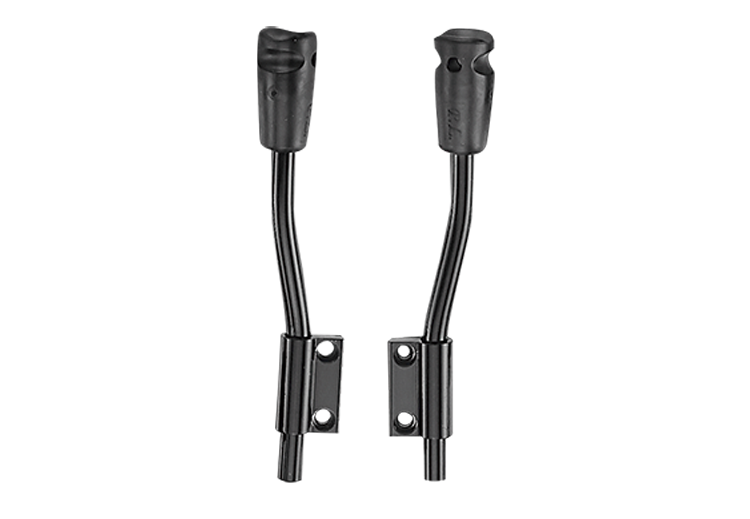
Iron sights are one of the most basic sighting systems. They require no batteries or electronic components, making them simple, reliable, and highly durable.
Crossbow with Red Dot Sight or Scope: What's the Difference?
For players who are new to crossbows, choosing between a red dot sight and an optical scope can be difficult.
To make the decision easier, we've put together a simple comparison table to help you quickly find the sighting setup that best suits your needs.
| Red Dot Sight | Optical Scope | |
|---|---|---|
| Aiming Method | Align the red dot with the target | Aim using the reticle |
| Recommended Range | Close to medium range | Medium to long range |
| Magnification | Typically no magnification | Fixed or variable magnification |
| Aiming Precision | Moderate | High |
| Field of View | Wide | Narrows as magnification increases |
| Size & Weight | Compact and lightweight | Typically larger and heavier |
| Low-Light Performance | Illuminated red dot is easy to acquire | Depends on lens quality, objective size, and illumination features |
| Battery Required | Yes | Only illuminated models require batteries |
| Ease of Use | Intuitive and easy to use | Requires familiarity with magnification and reticle use |
| Best For | Beginners and close-range shooting | High-precision and longer-range shooting |
If you're new to crossbows and want to practice fast target acquisition in close-range dynamic shooting drills, a red dot sight is the better choice.
If your main goal is precision training and improving accuracy at medium to long ranges, an optical scope can help you achieve that goal more effectively.
How to Sight In a Crossbow: Basic Zeroing Steps
After installation, it's recommended to sight in (zero) your crossbow so that the point of aim aligns with the actual point of impact.
Whether you're learning how to sight a crossbow scope or a red dot, the basic process is the same:
- Secure the crossbow on a stable shooting rest or platform.
- Choose a fixed distance as your zeroing reference.
- Shoot several arrows and check the point of impact.
- If the shots land to the left or right, adjust the windage control. If they land too high or too low, adjust the elevation control.
- Repeat the process until the point of impact matches the point of aim.

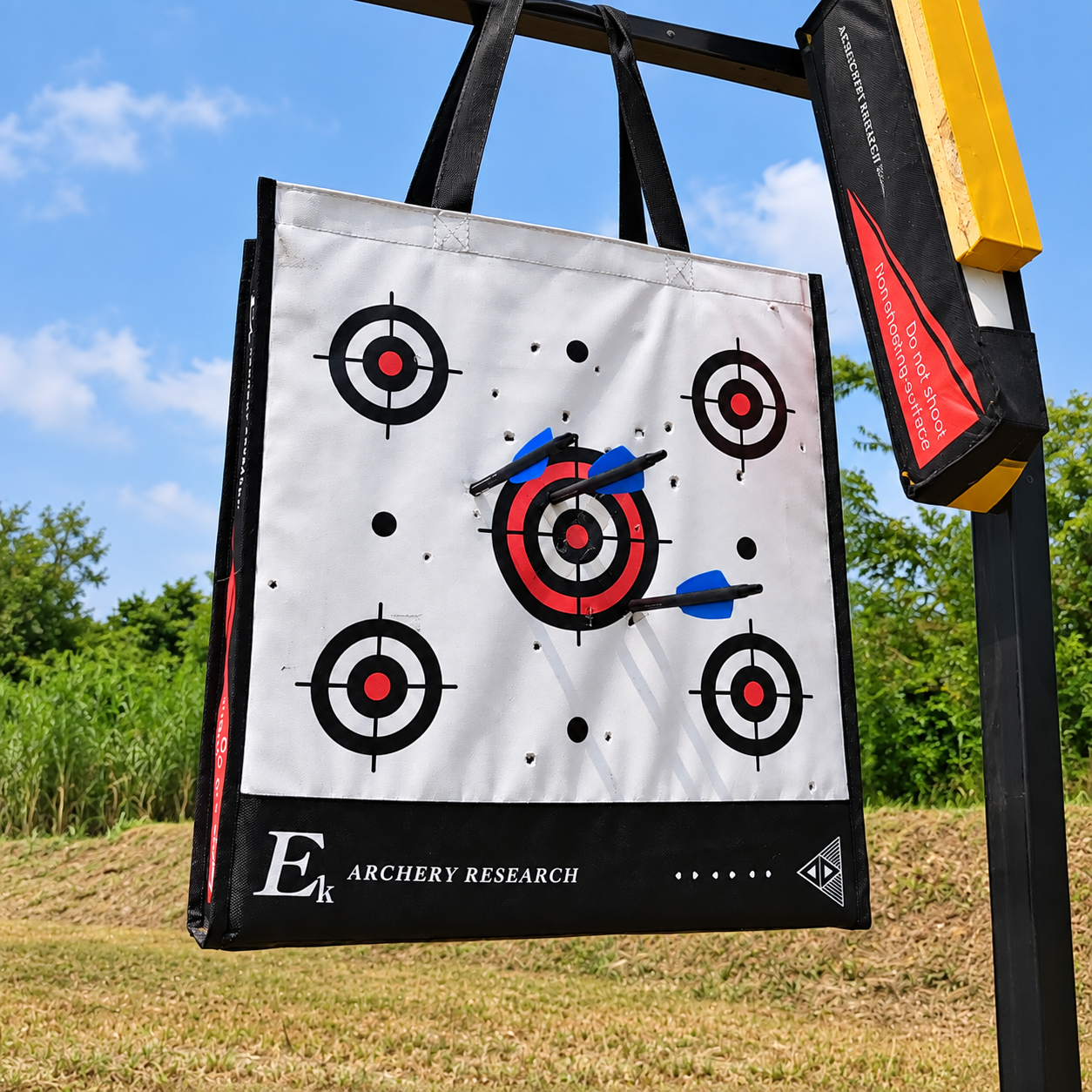
Once the sight is properly zeroed, it's a good idea to check its accuracy periodically. If the sight has been removed and reinstalled, or if accessories have been changed, the zero should also be checked again.
FAQ
Q. Does a crossbow always need a sight?
Not necessarily.
A crossbow can still be used with iron sights, but adding a sighting system can usually improve aiming speed and consistency. For beginners in particular, it can also make it easier to develop proper aiming habits.
Q. Do red dot sights require batteries? How often should they be replaced?
Yes.
Most red dot sights are battery-powered, and actual battery life will vary depending on the model, brightness setting, and frequency of use.
If the dot becomes dim, starts flickering, or the sight no longer powers on, it's a good idea to replace the battery to ensure reliable operation.

Q. How far is a laser sight effective on a crossbow?
Laser sights work best at close range.
A crossbow with laser sight lets you quickly confirm your aiming point on nearby targets, making it a beginner-friendly option for close-range practice. However, laser visibility can be reduced in bright outdoor conditions, and the dot becomes harder to see as distance increases.
For medium- to long-range shooting, an optical scope is generally the better choice.
Q. Do I need to re-zero the sight after changing arrows or draw weight?
Yes.
Changes in arrow weight, arrow length, or crossbow setup can affect the arrow's flight path.
If you change arrow specifications, adjust the draw weight, or remove and reinstall the sight, it's recommended to re-zero the sight to maintain accuracy.
Crossbow Sight Recommendations: How to Choose the Right Setup
When choosing a crossbow sight, it's important to consider not only your preferred aiming method but also whether the sight is compatible with your crossbow. The right combination can help you get the best performance from your setup.
Here are a few key factors to consider:
- Shooting Needs: For quick aiming at close range, a red dot sight or laser sight can be a good choice. If you want better aiming capability at medium to long ranges, an optical scope may be more suitable.
- Ease of Use: If you prefer a sight that is quick and easy to get used to, a red dot sight is a practical option. If you prefer a simple setup that does not require batteries, iron sights are also worth considering.
- Compatibility: Make sure the sight is compatible with your crossbow's rail system and can be used with your existing accessories.
In EK Archery's latest "One-Minute Challenge" campaign, players are encouraged to choose their sighting setup based on the difficulty level of each challenge.
At the entry-level SPORT stage, beginners are still getting familiar with their crossbow. A red dot sight is a great choice here, offering intuitive operation and making close-range challenges easy to complete.
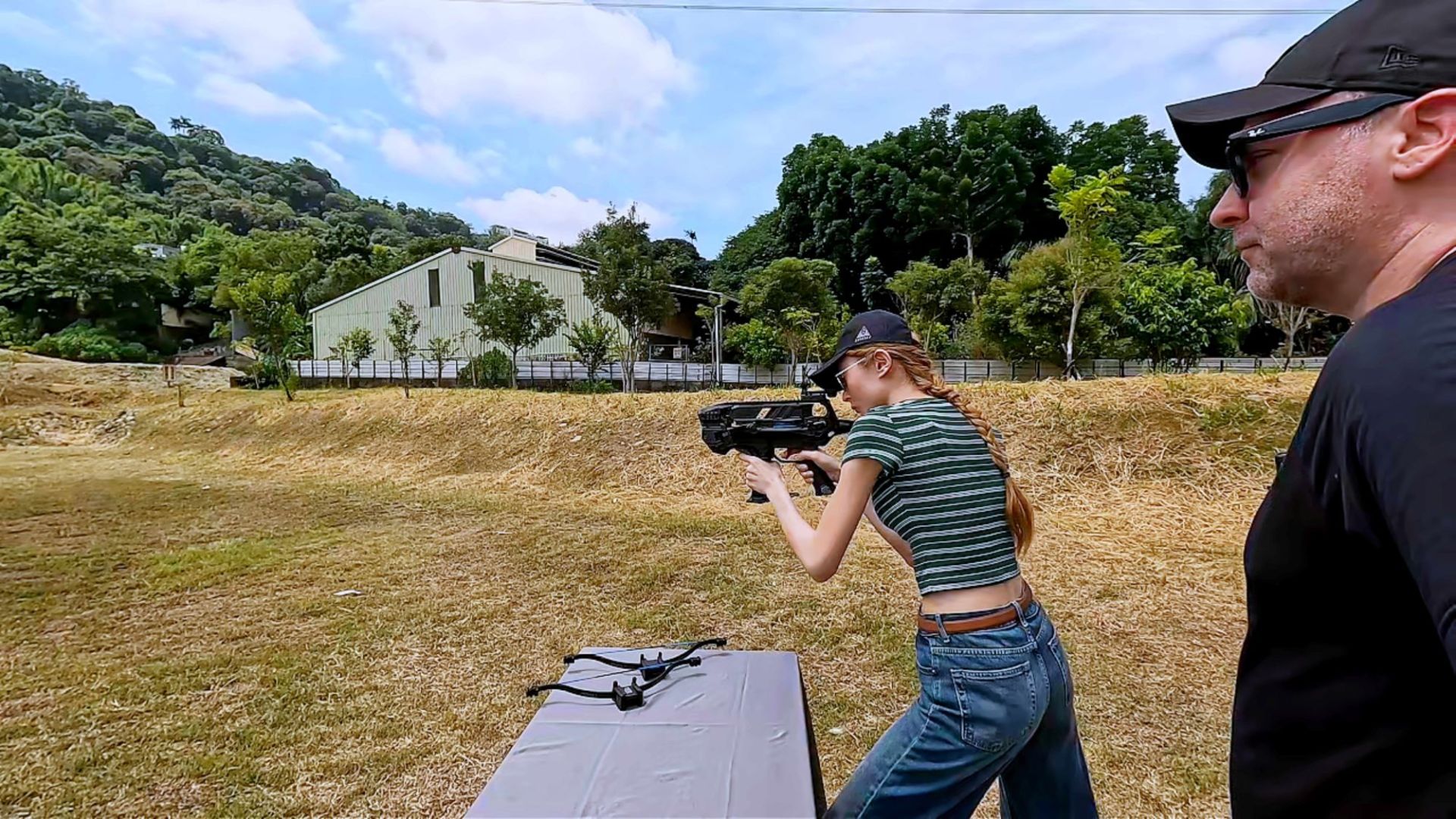
At the TACTICAL level, the challenge distance increases to around 30–50 meters. An optical scope is recommended at this stage, as magnification and reticle markings can help shooters aim more precisely at longer-range targets.
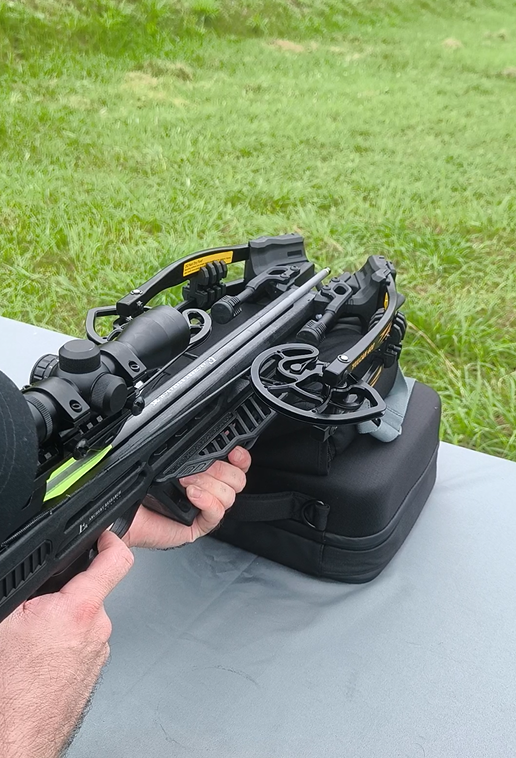
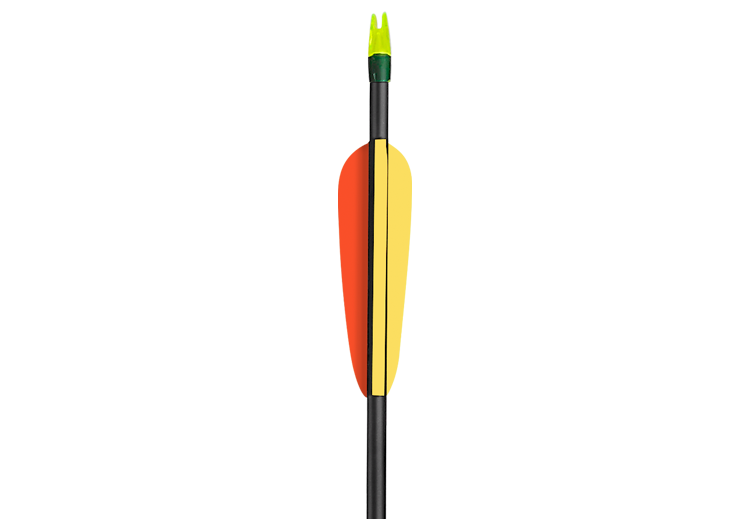
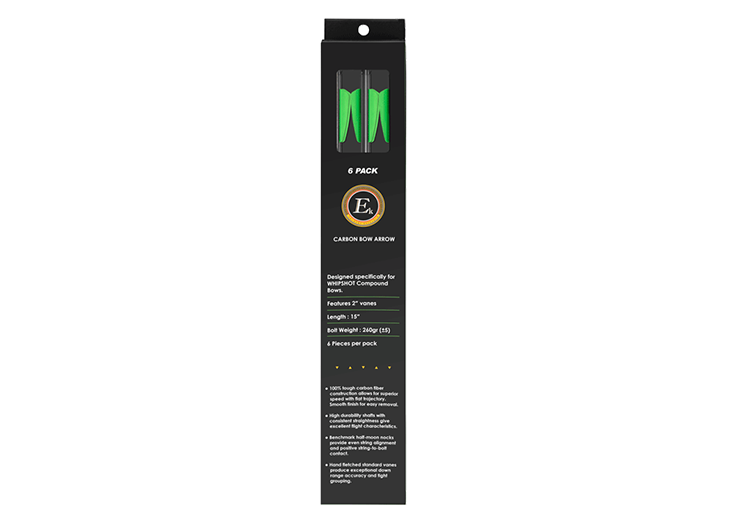
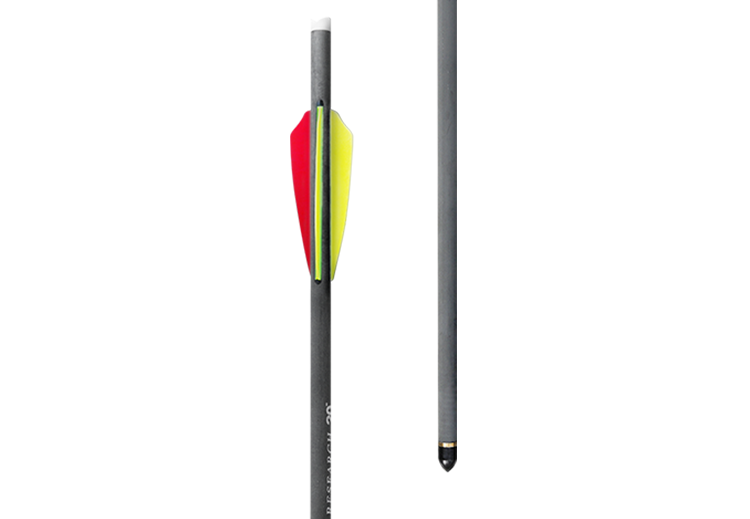
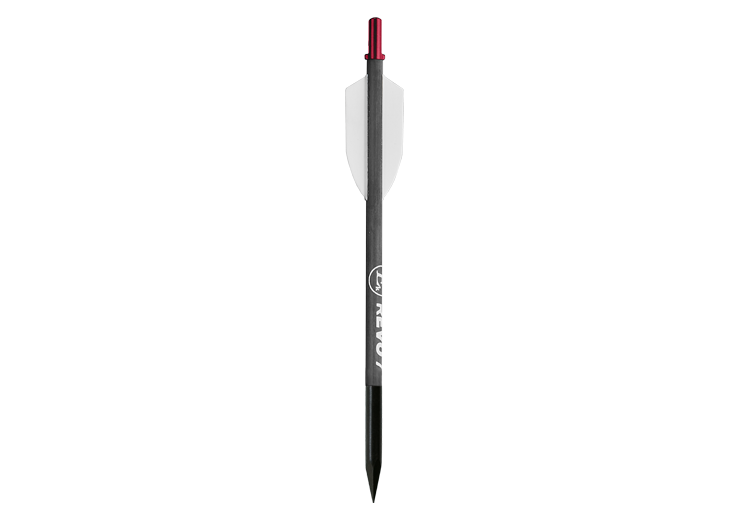
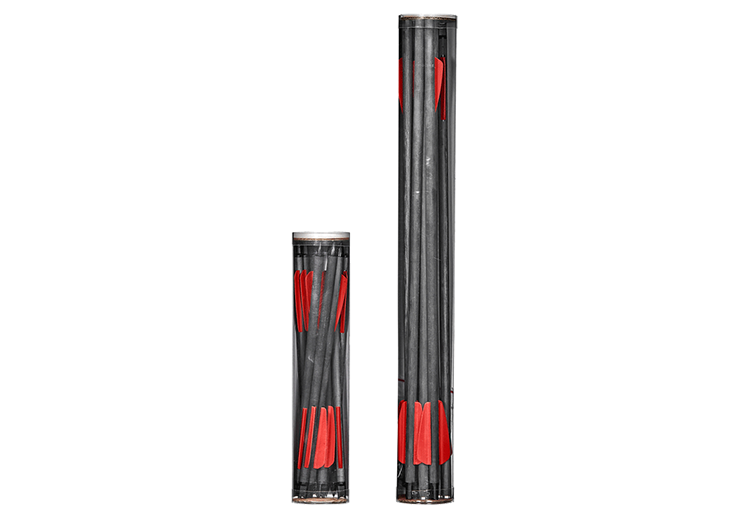
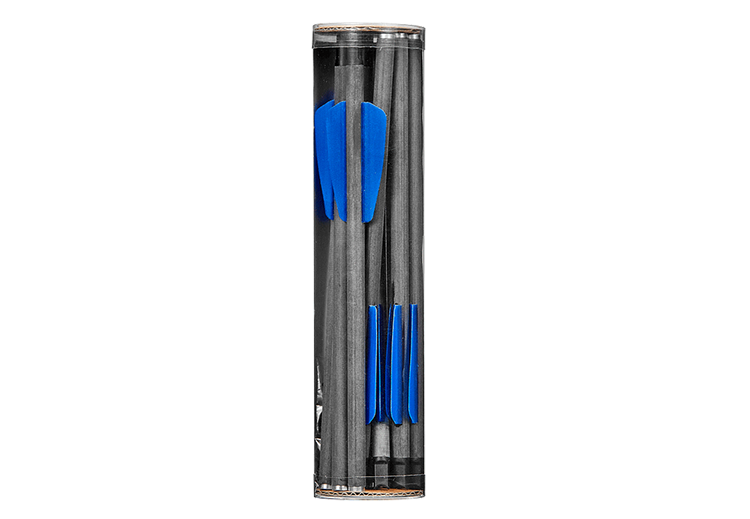
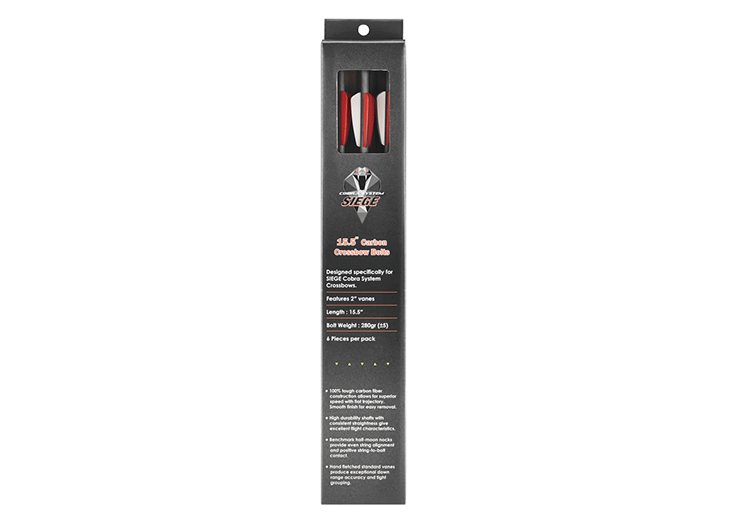
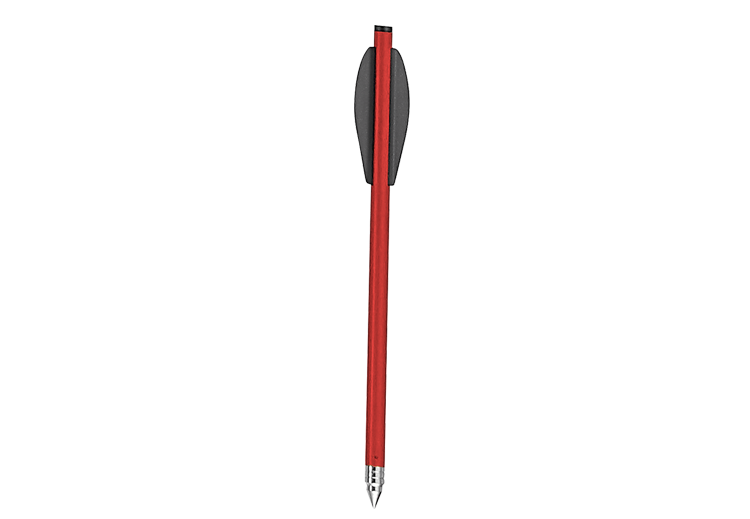
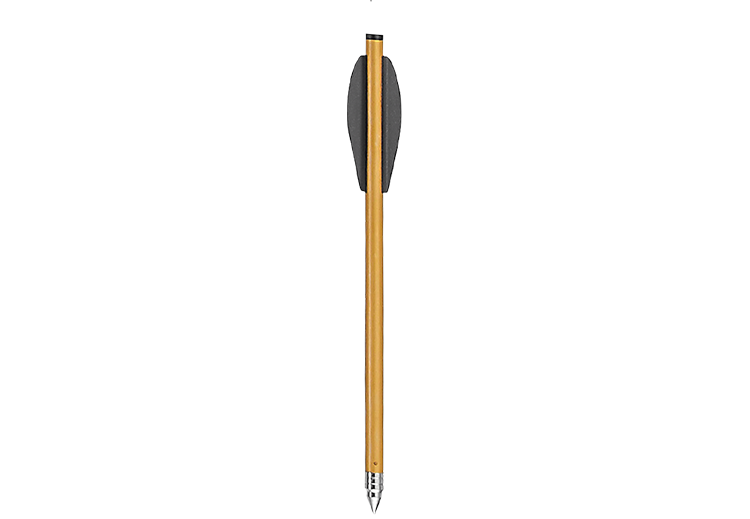
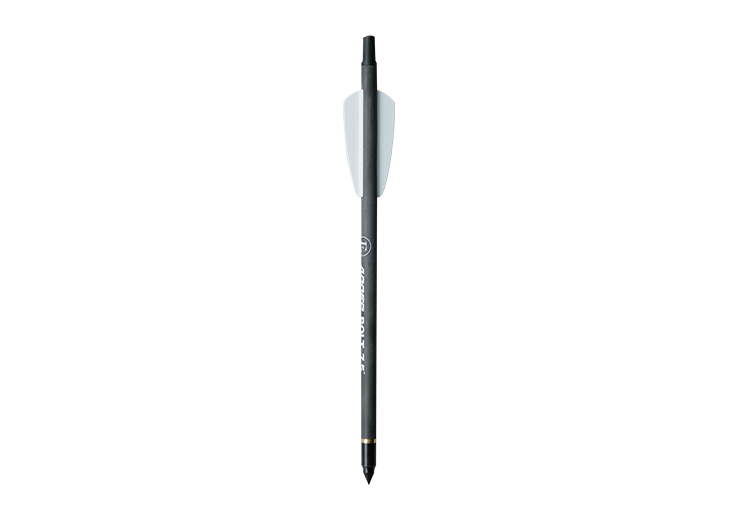
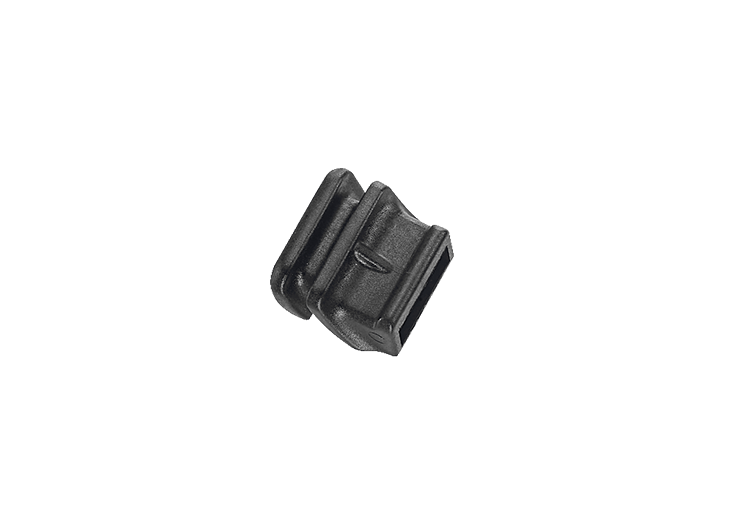
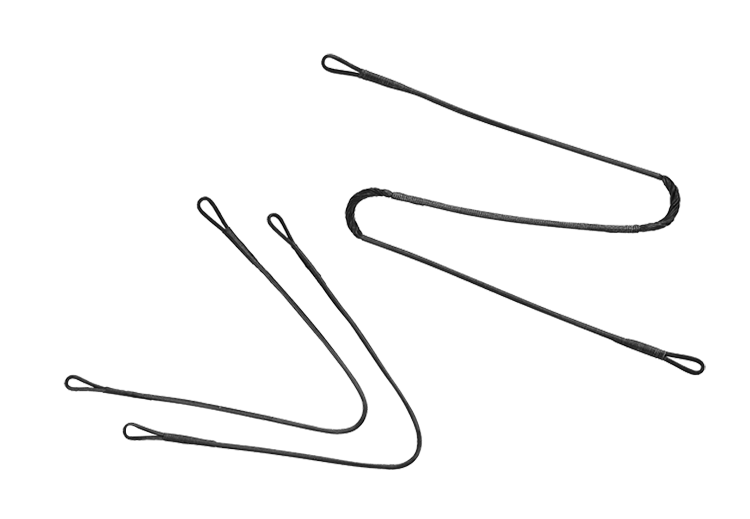
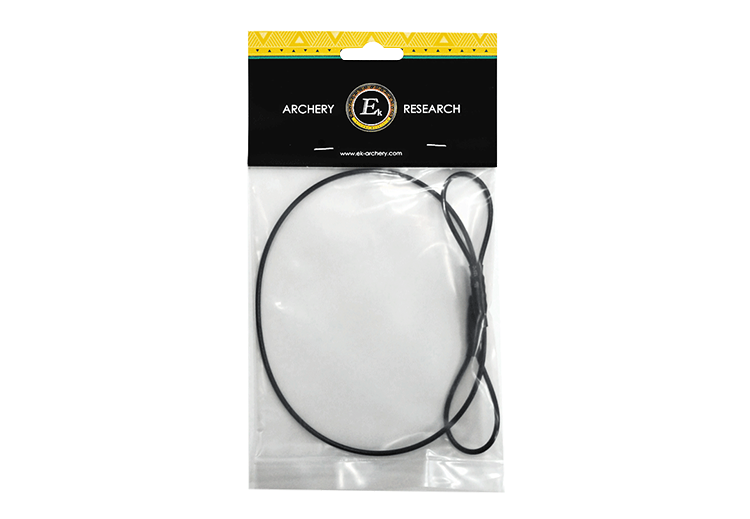
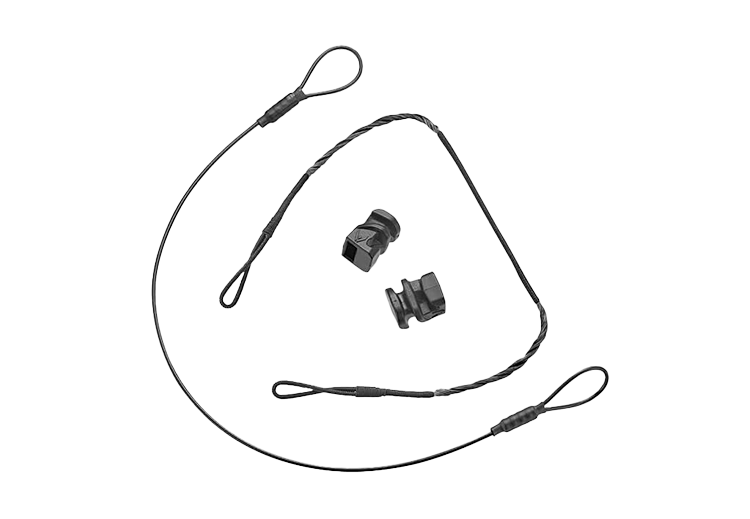
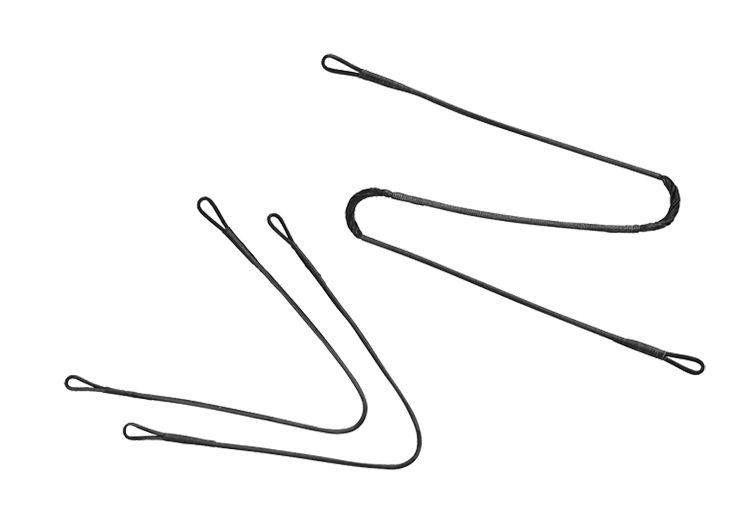
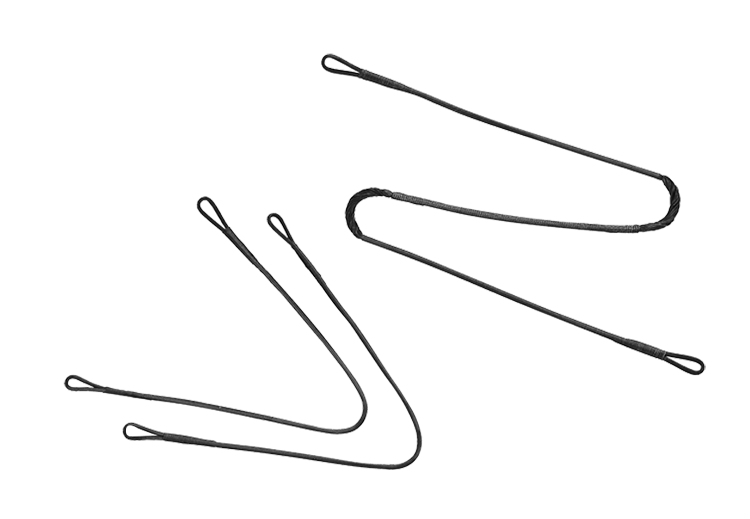
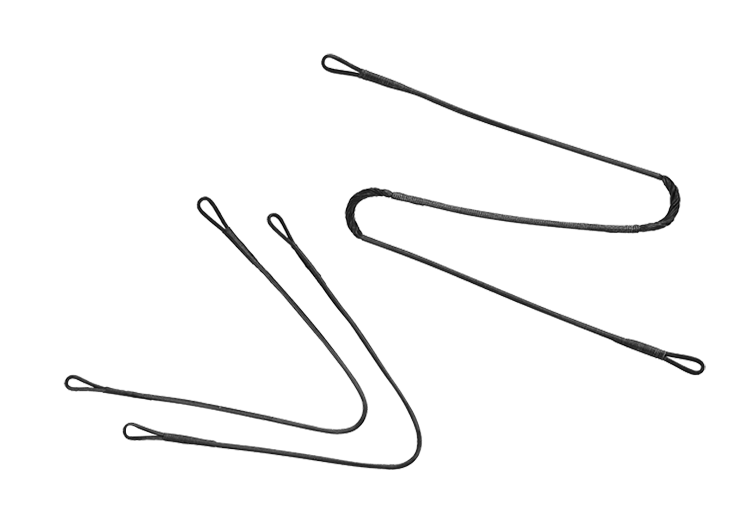
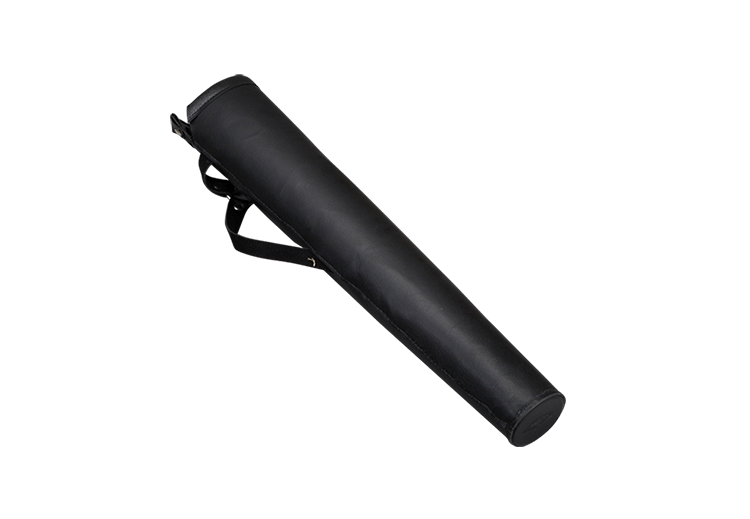
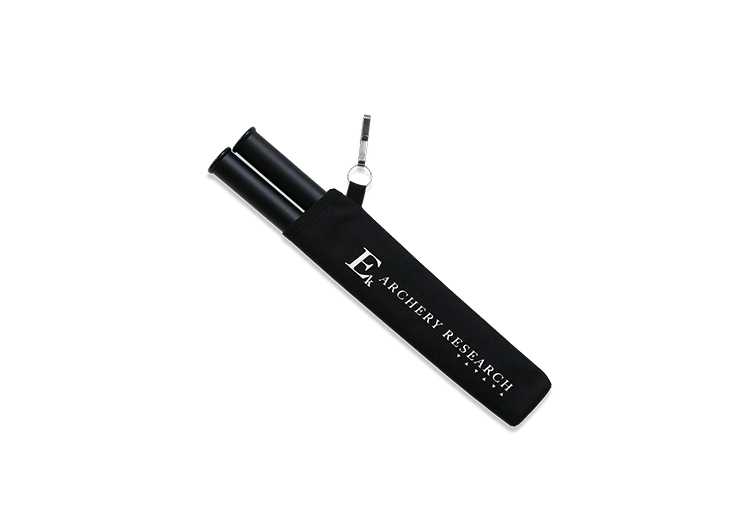
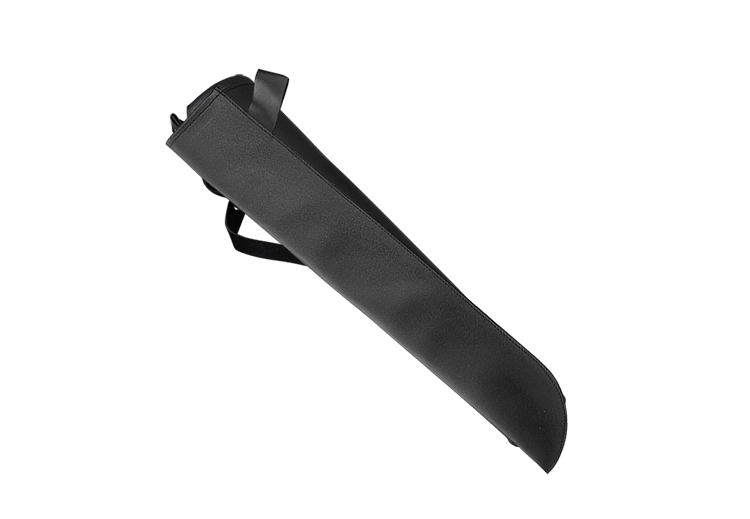
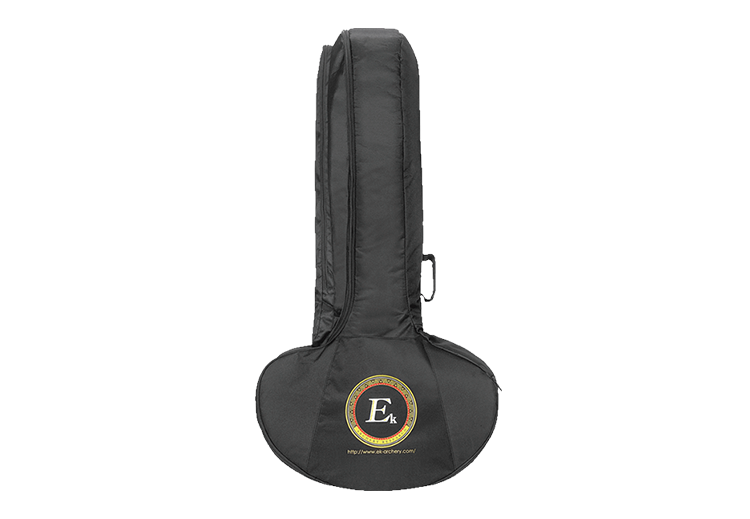
Choosing the right sight is only the first step toward improving accuracy. EK Archery also offers a wide range of accessories, including arrows, quivers, and strings, allowing you to customize your setup to suit different crossbow models and shooting needs.
Visit the EK Archery website and click "FIND A DEALER" to locate a dealer near you. Professional staff can help assess your needs in person and recommend the upgrade setup that best fits your crossbow and shooting style.


-750__24K01Db02R.png)


B10017E4-S__24K25WQIuJ.png)
B10017E4-S-2__24K25tLBcL.png)